Showers are more than just functional spaces—they shape the overall feel of a bathroom and can elevate daily routines into a moment of comfort. Selecting the right shower size and style of shower doors is essential for both aesthetics and usability. Drawing from dimensions provided by The Spruce, understanding standard sizes and layout requirements helps ensure proper spacing and accessibility. From standard prefabricated options to fully custom installations, knowing the right measurements and door types allows homeowners to make informed choices that fit their lifestyle. With the right planning, a shower can balance practicality with a touch of luxury.
1. Explore Standard Shower Dimensions
The size of a shower greatly impacts comfort, mobility, and the layout of a bathroom. Standard pre-fabricated showers typically measure 36 by 36 inches, providing adequate space for a single person without overwhelming the room. Larger standard options, such as 48 by 36 inches, are gaining popularity for those seeking extra comfort and room for features like benches or multiple shower heads. When designing a bathroom, knowing these standard dimensions ensures that the shower integrates seamlessly with other fixtures while maintaining a functional flow.
For bathrooms with more space, larger shower installations ranging up to 60 inches in width can accommodate dual use or luxurious features. In contrast, compact layouts often require clever solutions, like corner or alcove showers, to optimize available square footage. Considering both standard and customized dimensions enables homeowners to create a bathroom that feels balanced and visually appealing.
2. Compare Prefabricated and Custom Showers
Prefabricated showers, often constructed from fiberglass or acrylic, offer fixed dimensions such as 32 by 32 inches or 36 by 36 inches. These options simplify installation and can be paired efficiently with standard shower doors. While they provide a practical and budget-conscious solution, prefabricated units offer limited customization.
Custom showers, on the other hand, allow complete flexibility in design and dimensions, ensuring the space reflects both personal style and functional needs. Whether adding built-in seating, multiple shower heads, or accessibility features, custom installations can transform a simple shower into a luxurious retreat. Though the investment is higher and timelines longer, the long-term benefits include enhanced usability, aesthetic impact, and the ability to fully tailor the space to one's lifestyle. Choosing between prefab and custom options requires balancing budget, space, and design goals. Homeowners seeking convenience and affordability often favor standard options, while those pursuing a unique style typically opt for custom showers.
3. Evaluate the Impact of Shower Type on Size
The type of shower selected directly influences its dimensions and layout requirements. Walk-in showers, designed without doors or curtains, generally require more floor space to prevent water from escaping. These showers typically measure between 48 and 60 inches in width, offering a spacious, open feel. In contrast, corner showers or neo-angle designs maximize smaller areas by utilizing unused corners, making them ideal for compact bathrooms.
Alcove showers often pair well with standard shower doors, sized between 22 and 36 inches wide, allowing for flexibility in door selection without compromising space. Understanding the relationship between shower type and door dimensions is crucial for optimizing both functionality and aesthetic appeal. By factoring in space constraints and user needs, homeowners can select a shower that enhances mobility, comfort, and the overall bathroom experience.
4. Design Showers for Small and Large Bathrooms
Small bathrooms demand careful planning to ensure showers remain functional without overwhelming the space. Compact designs like corner or alcove showers provide practical solutions, while lighter color palettes and frameless shower doors can enhance the sense of openness. Utilizing efficient layouts allows for a comfortable shower experience even in restricted areas.
In larger bathrooms, the options expand dramatically. Walk-in showers can be integrated alongside freestanding tubs, double vanities, or other luxury elements. Extra space supports features like rainfall shower heads, built-in benches, and multiple water jets, creating a spa-like atmosphere. By planning showers according to room size, we can ensure every installation maintains both utility and visual harmony.
5. Follow Trends in Modern Shower Design
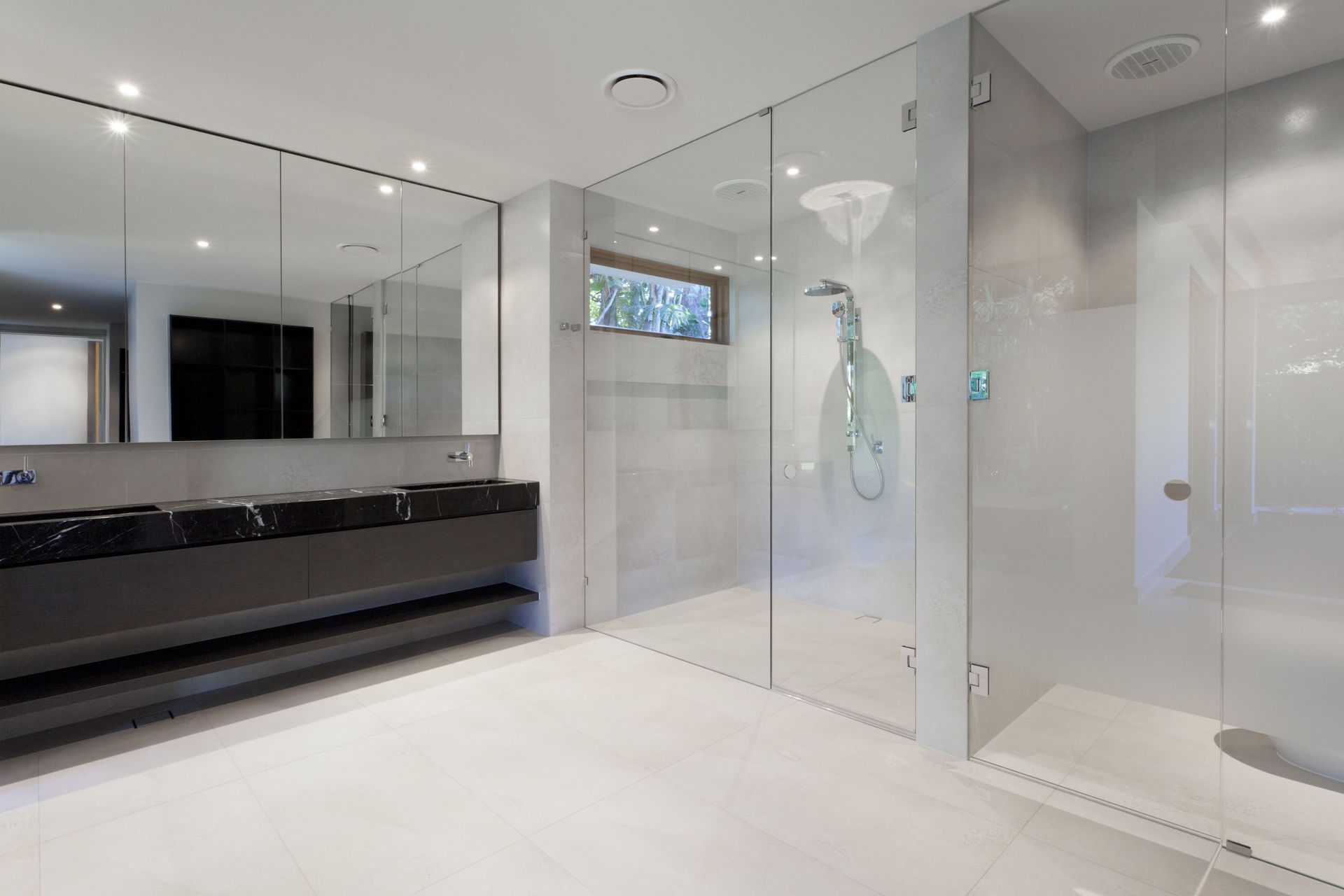
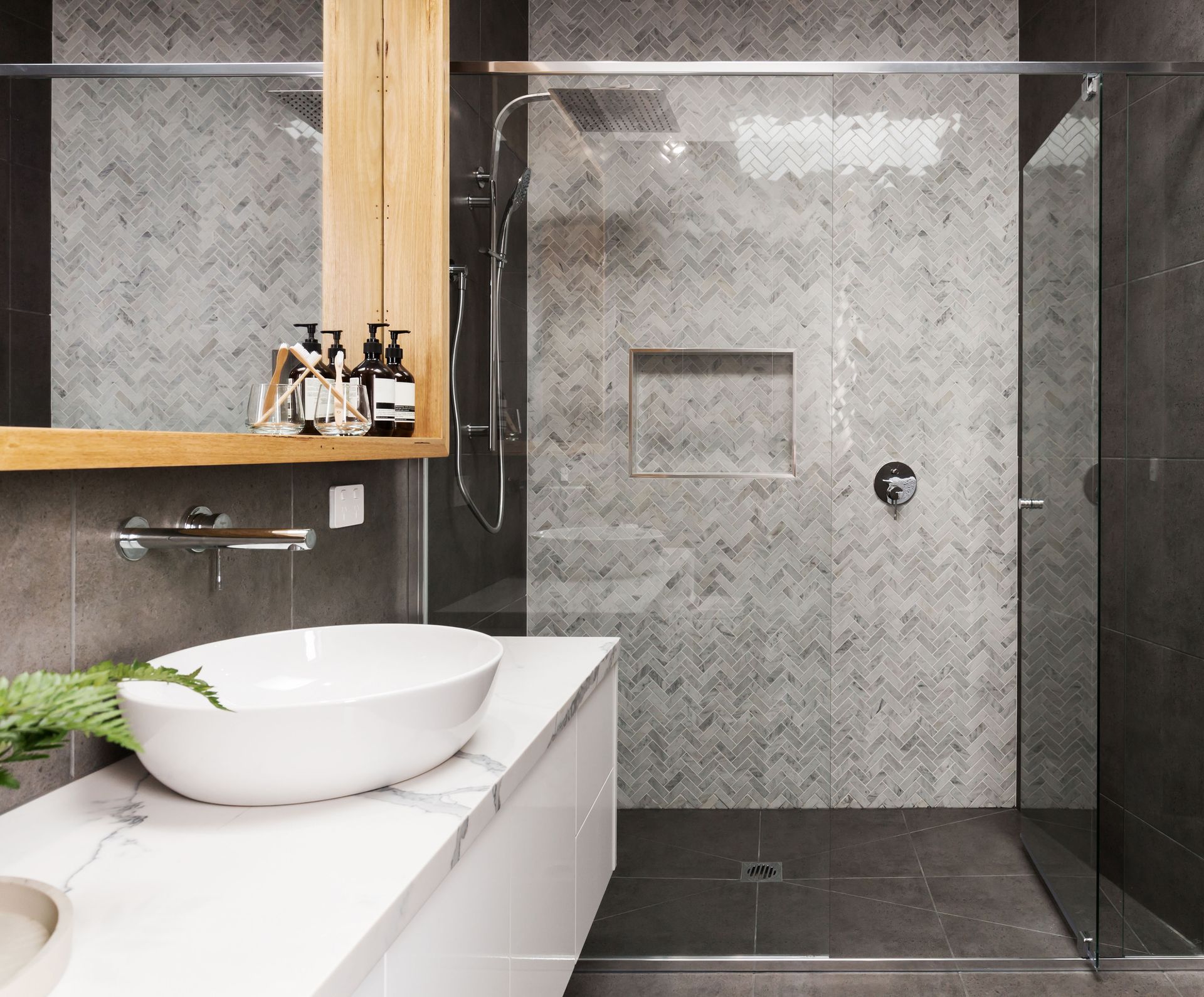
Modern showers are increasingly treated as luxurious retreats rather than purely functional spaces. Walk-in showers with sleek, frameless glass create an open, airy feel, while advanced water technology, such as programmable temperature and water flow controls, enhances comfort. These trends highlight the move toward personal wellness and indulgence within the bathroom. Materials like textured stone, frameless glass, and eco-conscious fixtures not only elevate aesthetics but also promote sustainability. Smart features, including digital controls and integration with home automation, cater to homeowners seeking a personalized experience.
6. Choose Sliding Shower Doors
Sliding shower doors, often called bypass doors, provide an ideal solution for space-limited bathrooms. These doors operate on a track system, gliding smoothly with overlapping panels to enclose the shower area. Standard widths range from 22 to 36 inches with a height of 72 inches, according to Modernize. This style is both functional and visually modern, offering ease of access while saving floor space.
Frameless sliding doors provide a minimalist, sleek look, while framed or semi-framed options add structure and design contrast. Selecting glass finishes such as clear or frosted further customizes the style and enhances privacy. Proper installation ensures smooth operation and longevity.
7. Install Pivot Shower Doors
Pivot, or swinging doors, rotate on hinges attached to a single side and are favored for their open, unobstructed access. While they require adequate clearance to swing fully, pivot doors are highly versatile in larger bathrooms. Standard sizing for these doors aligns with other types, spanning 22 to 36 inches in width and 72 inches in height. Custom hinge finishes, glass treatments, and materials allow pivot doors to complement any bathroom aesthetic. Proper installation addresses alignment and prevents leaks, ensuring both elegance and functionality.
8. Fit Hinged Shower Doors
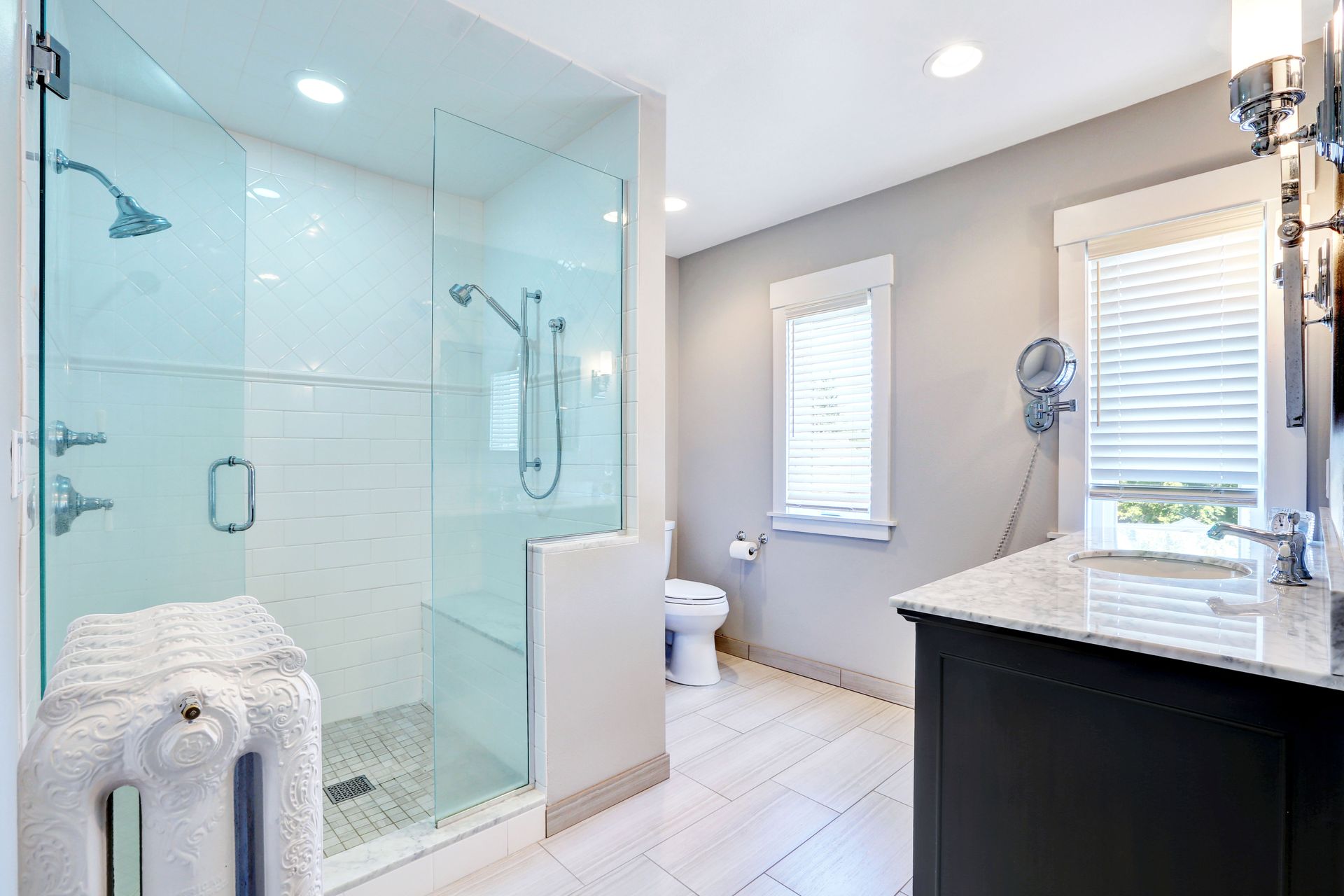
Hinged shower doors swing outward like a conventional door, providing maximum access to the shower. They are commonly used in walk-in designs and high-end bathrooms where space allows. Standard dimensions, from 22 to 36 inches wide and 72 inches tall, provide a balance between accessibility and containment.
Options include frameless designs for a contemporary look or framed versions for traditional aesthetics. Glass types, finishes, and hardware choices allow homeowners to tailor the space to personal style. Proper alignment, sealing, and installation are critical to prevent water leakage and ensure long-term usability.
9. Apply Bi-Fold Shower Doors
Bi-fold doors fold in on themselves, making them ideal for bathrooms with limited swing space. Standard sizes from 22 to 36 inches wide and 72 inches tall allow integration into smaller shower areas while maintaining usability. Their compact design maximizes space efficiency without sacrificing style.
Available in framed and frameless options with various glass finishes, bi-fold doors adapt to diverse bathroom aesthetics. Proper track and hinge installation ensures smooth operation and longevity. These doors are an excellent solution when space constraints limit other door types.
10. Incorporate Frameless Shower Doors
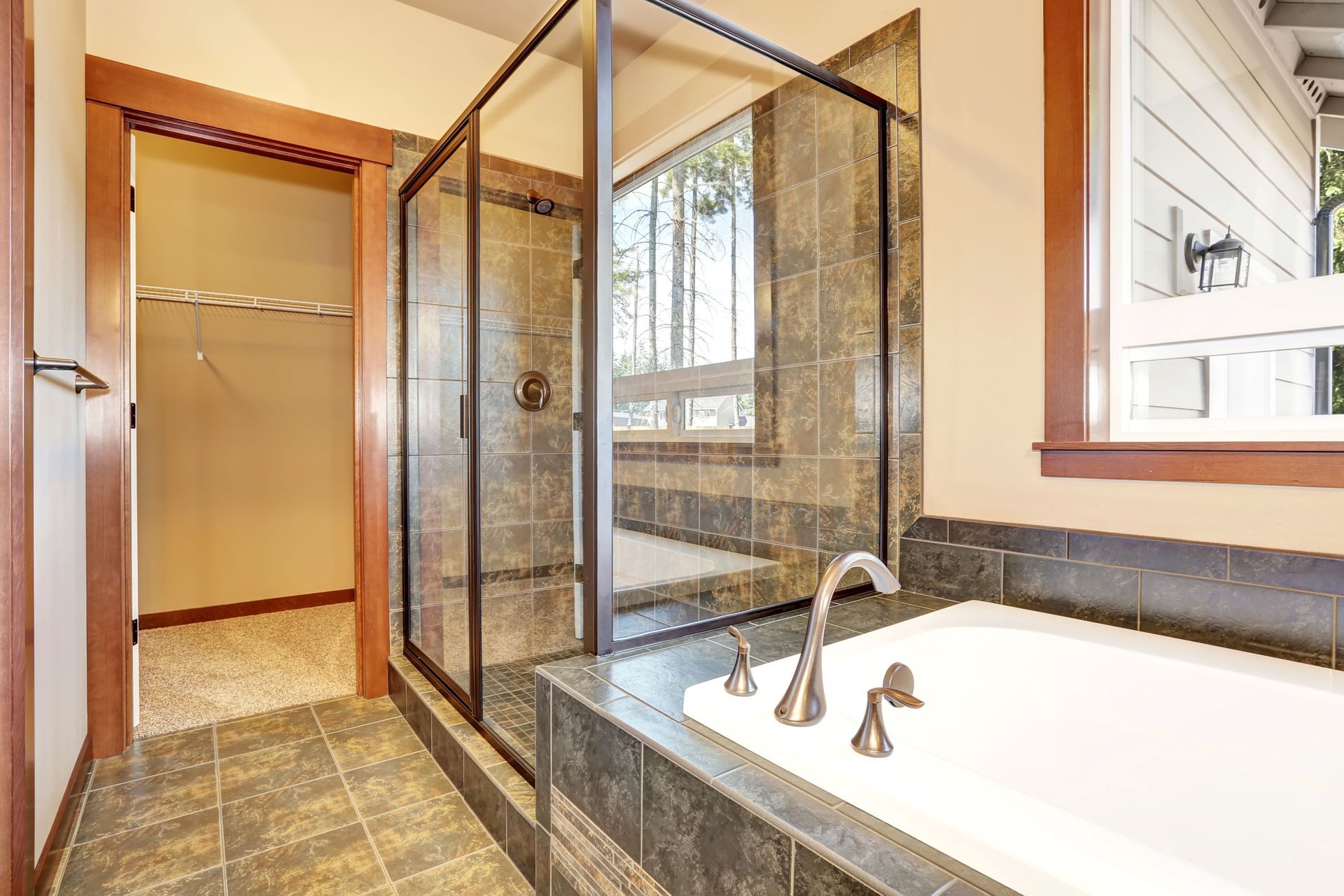
Frameless shower doors are popular for their minimalist, modern design and ability to maximize the visual space of a bathroom. They rely on thick tempered glass rather than supporting frames and typically measure 22 to 36 inches wide and 72 inches tall. Frameless doors complement nearly any bathroom style, with options for tinted, textured, or clear glass and a range of hardware finishes. Installation requires precise handling to ensure structural support and proper sealing.
Shower doors not only define the entry to a shower but also influence the overall style, space perception, and functionality of the bathroom. From sliding and pivot to bi-fold and frameless designs, the right door complements both the shower and the surrounding space. Standard dimensions, paired with high-quality materials and expert installation, allow us to deliver solutions that combine elegance and practicality seamlessly.
Whether designing for compact bathrooms or expansive spa-like retreats, proper planning ensures shower doors are integrated thoughtfully for form and function. With custom glass, mirrors, and accessories available in the Upstate South Carolina area, our in-house installers provide expert installation, backed by a warranty and veteran discounts since 2008. For a bathroom upgrade that blends style, comfort, and functionality, contact Palmetto Specialties to explore options tailored to your needs.